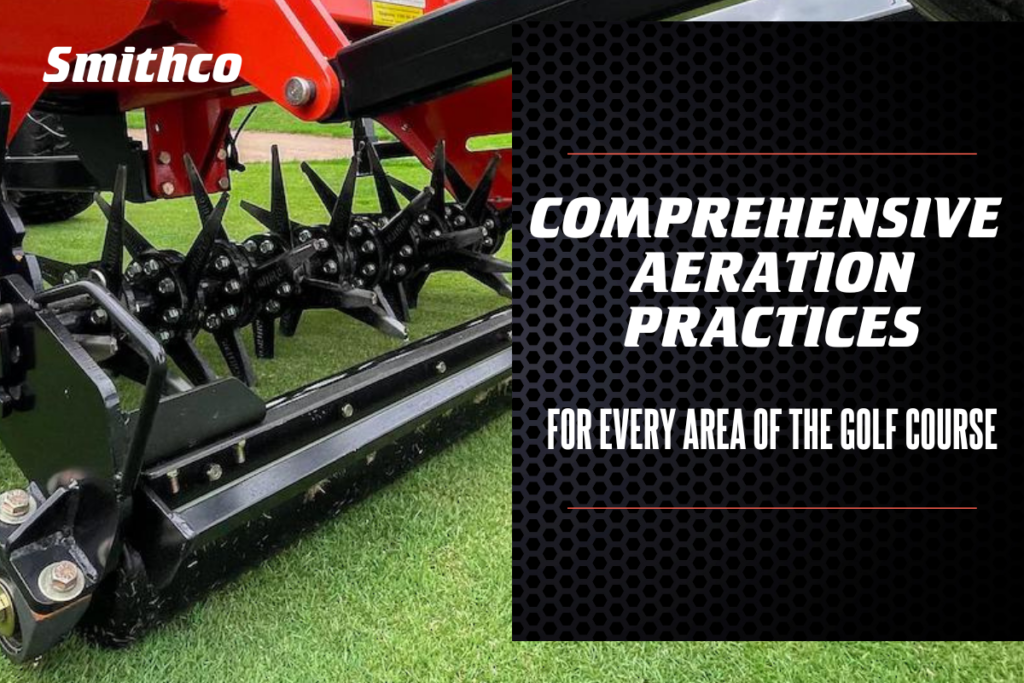
Understanding Aeration Techniques
Aeration is a vital process in maintaining healthy turf, as it involves perforating the soil with holes to allow air, water, and nutrients to penetrate deep into the roots. This technique alleviates soil compaction, enhances root development, and fosters a robust and resilient turf environment.
There are several aeration techniques, including core aeration, spike aeration, and sand injection. Core aeration is the most common method, where small plugs of soil are removed to create space for air and moisture. This method is particularly effective for high-traffic areas, ensuring optimal conditions for grass growth and recovery.
The Benefits of Regular Aeration
Regular aeration is essential for maintaining the health and appearance of golf course turf. It promotes better drainage, reduces thatch buildup, and encourages a more vigorous growth of grass, which is crucial for optimal playing conditions.
Choosing the Right Aerator for Your Needs
Selecting the appropriate aerator depends on various factors, including the size of your golf course, the type of soil, and the specific turf species in use. Smithco offers a range of aerators designed to meet diverse needs, ensuring that every course can find the right equipment for optimal performance.
For instance, the Smithco Core Aerator is ideal for larger areas needing thorough aeration, while smaller, more compact models are suitable for intricate spaces such as greens and tees. Understanding your specific requirements will help you make an informed decision and maximize the benefits of aeration.
Best Practices for Aeration Timing
Timing is crucial when it comes to aeration, as the effectiveness of the process can vary based on seasonal conditions and turf growth cycles. Generally, the best times to aerate are during the growing seasons of spring and fall when the grass is actively growing and can quickly recover from the aeration process.
It's also important to consider the weather conditions; aerating after rainfall can help facilitate the process, as the soil is softer and easier to penetrate. By following these best practices, golf course managers can ensure that aeration yields the best possible results for their turf health.