Frequently Asked Questions
What are the benefits of golf course aeration?
The benefits of golf course aeration are significant for maintaining healthy greens. Aeration improves soil compaction, enhances water and nutrient absorption, and promotes root growth, ultimately leading to a healthier and more resilient turf.
How often should golf greens be aerated?
The frequency of aerating golf greens is essential for maintaining their health. Typically, greens should be aerated 1 to 4 times per year, depending on factors like turf type, climate, and usage.
What equipment is best for aerating golf courses?
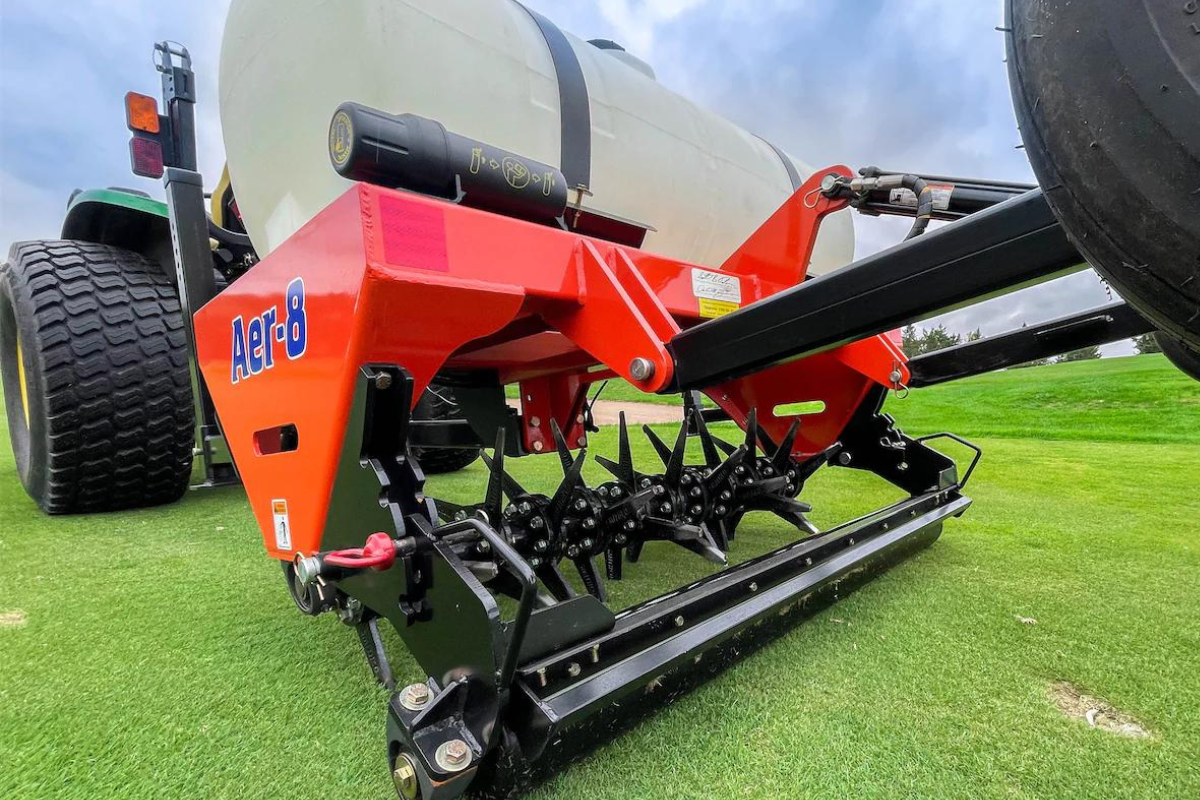
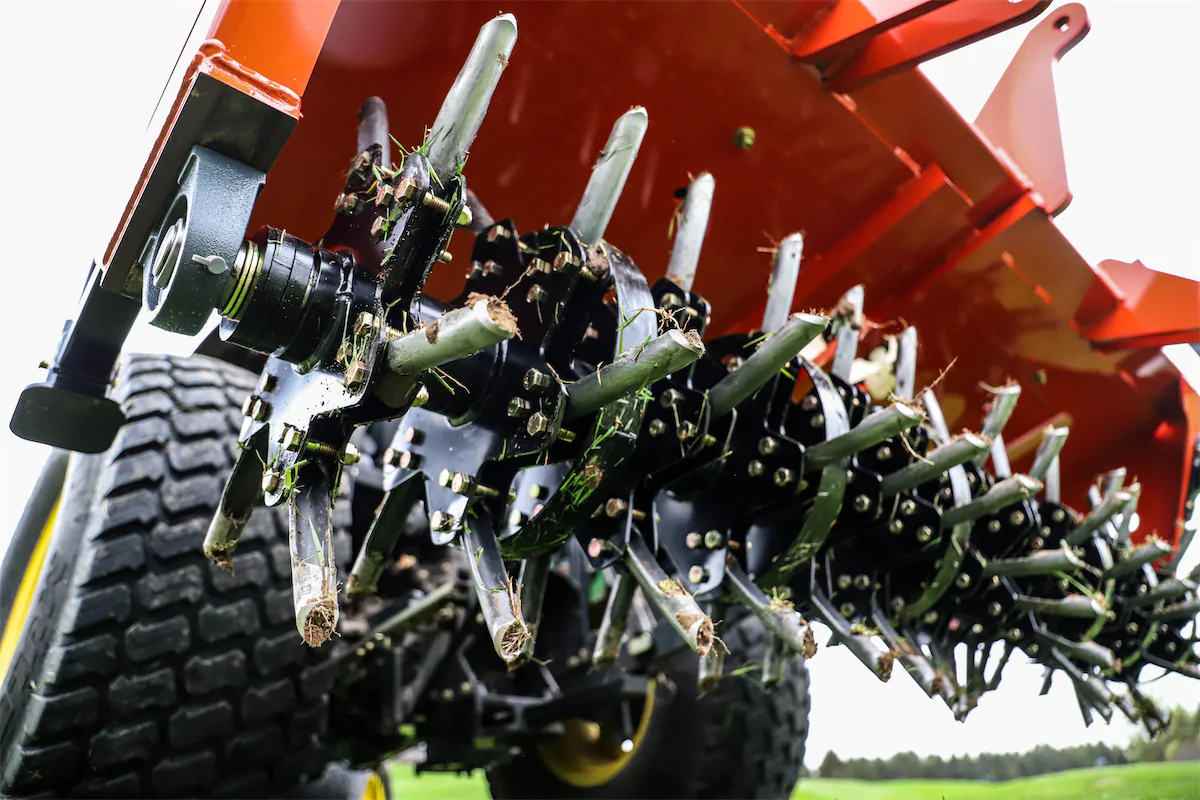
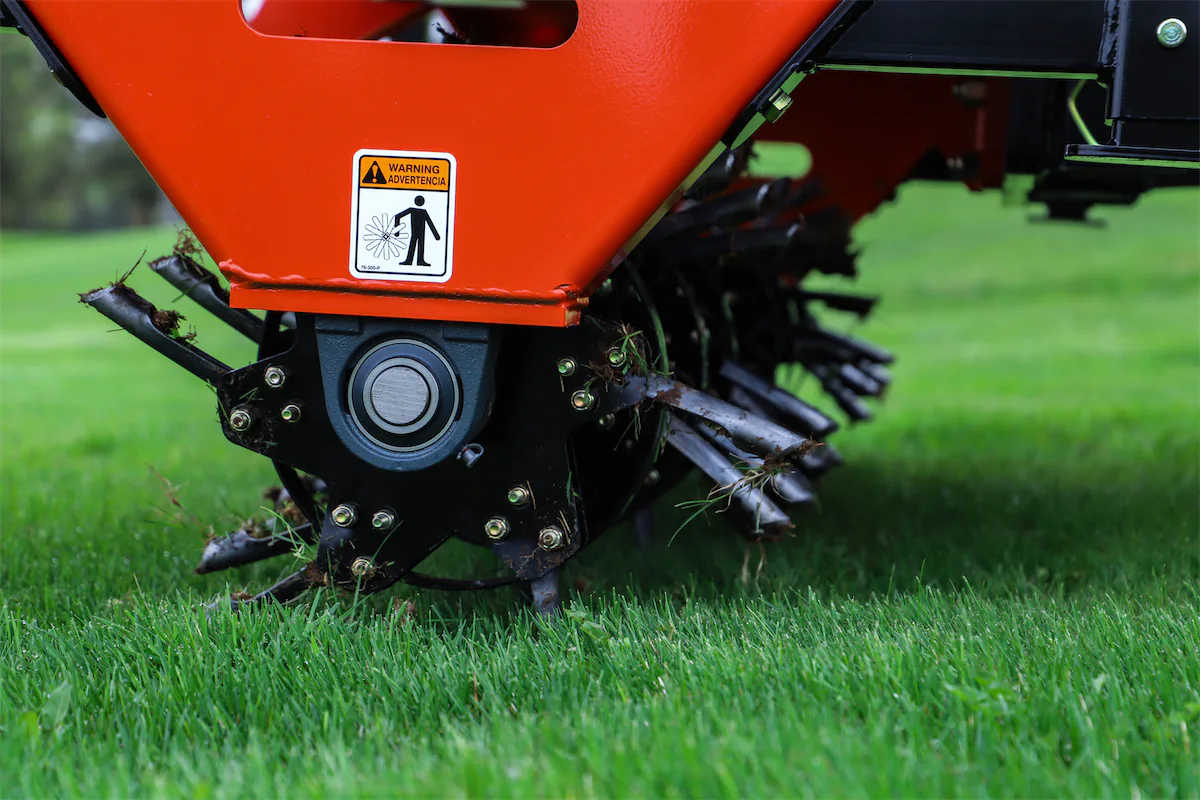
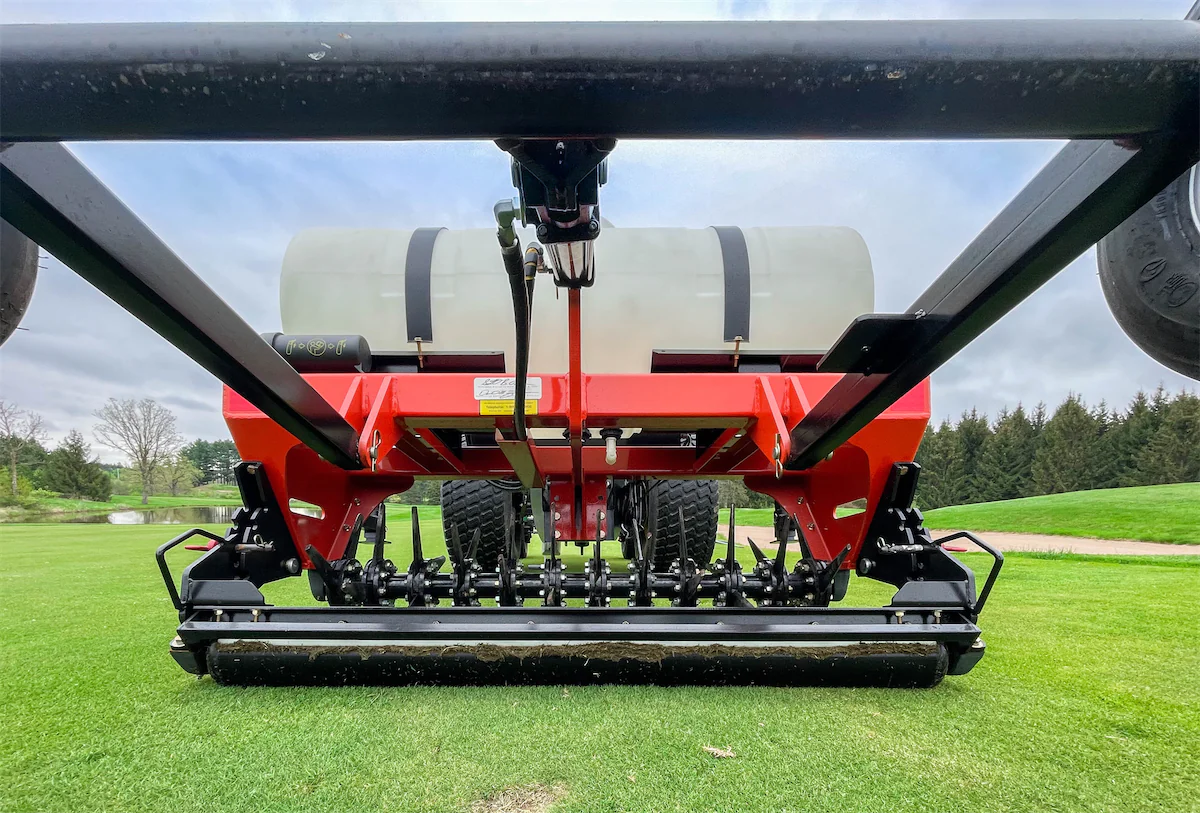
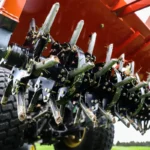
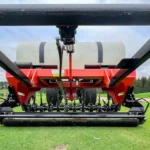
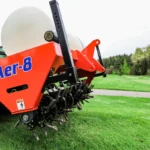
The best equipment for aerating golf courses includes high-quality aerators like the Smithco Aer-8, which effectively enhance turf health and promote optimal drainage and root growth.
How does aeration improve turf health?
Aeration improves turf health by enhancing soil aeration, allowing better water and nutrient absorption, reducing compaction, and promoting root growth. This process fosters a robust and resilient turf, essential for maintaining healthy golf course greens.
What is the process of golf course aeration?
The process of golf course aeration involves perforating the soil with holes to allow air, water, and nutrients to penetrate the grass roots. This promotes healthy turf growth and enhances drainage, ultimately improving the overall condition of the greens.
When is the best time for aeration?
The best time for aeration is typically during the growing season, either in the spring or fall, when grass can recover quickly, enhancing root development and overall turf health.
How do aerators affect soil compaction?
Aerators significantly reduce soil compaction by creating holes in the ground, allowing air, water, and nutrients to penetrate deeper into the soil. This process enhances root growth and promotes healthier turf, essential for maintaining golf course greens.
What features should I look for in aerators?
The features to look for in aerators include adjustable tine depth, ease of operation, durability, and the ability to cover large areas efficiently. Additionally, consider models with advanced technology for optimal turf health and maintenance.
How do I maintain golf course aeration equipment?
Maintaining golf course aeration equipment involves regular inspections, cleaning after each use, and ensuring all moving parts are lubricated. Additionally, check and replace worn tines and components to ensure optimal performance and longevity.
What are common issues with golf course aerators?
Common issues with golf course aerators include clogged tines, uneven aeration depth, and mechanical failures. Regular maintenance and proper operation can help mitigate these problems, ensuring optimal performance and turf health.
How can aeration enhance water absorption?
Aeration enhances water absorption by creating channels in the soil, allowing water to penetrate deeper and reach the root zone more effectively. This process reduces surface runoff and promotes healthier turf by ensuring adequate moisture availability.
What is the cost of golf course aeration machines?
The cost of golf course aeration machines varies based on the model and features. Generally, prices range from $5,000 to $20,000, depending on the specifications and capabilities of the equipment.
How do I choose the right aerator model?
Choosing the right aerator model involves considering factors such as the size of your golf course, the type of turf, and the specific maintenance needs. Evaluate the aeration depth, width, and features that best suit your requirements.
What maintenance practices extend aerator lifespan?
The maintenance practices that extend aerator lifespan include regular cleaning, timely oil changes, and inspecting parts for wear and tear. Additionally, storing the aerator in a dry, sheltered location and following the manufacturer's maintenance schedule are crucial for optimal performance.
How does aeration impact grass growth?
Aeration significantly enhances grass growth by alleviating soil compaction, allowing air, water, and nutrients to penetrate the root zone more effectively. This process promotes healthier roots and improves overall turf vitality, leading to lush, resilient greens.
What are the signs that greens need aeration?
The signs that greens need aeration include compacted soil, poor drainage, thinning grass, and increased surface thatch. Regular aeration helps improve airflow, water absorption, and nutrient uptake, ensuring healthier turf.
How can I improve aeration efficiency?
Improving aeration efficiency involves using the right equipment, like Smithco's aerators, ensuring proper soil moisture levels, and scheduling aeration during optimal weather conditions. Regular maintenance and selecting appropriate aeration patterns also enhance effectiveness.
What types of aerators are available?
The types of aerators available include walk-behind aerators, tow-behind aerators, and specialty models like the Aer-8, each designed to enhance turf health and optimize maintenance for golf courses.
How does aeration affect playability of greens?
Aeration significantly enhances the playability of greens by improving soil structure, water infiltration, and root health. This process reduces compaction, leading to smoother surfaces and better ball roll, ultimately resulting in a more enjoyable golfing experience.
What is the role of aeration in turf management?
The role of aeration in turf management is crucial for promoting healthy grass growth. It alleviates soil compaction, enhances water infiltration, and improves nutrient absorption, leading to robust and resilient turf.
How can I find local aeration equipment dealers?
Finding local aeration equipment dealers is straightforward. You can visit the Smithco website and use the dealer locator tool, or contact our customer service for assistance in identifying dealers near your location.
What are the environmental benefits of aeration?
The environmental benefits of aeration include improved soil health, enhanced water infiltration, and increased nutrient absorption, which collectively promote healthier turf and reduce the need for chemical fertilizers, fostering a more sustainable golf course ecosystem.
How does aeration influence pest control?
Aeration influences pest control by improving soil health and promoting strong root systems, which enhance turf resilience. Healthier grass is less susceptible to pest infestations, creating a more balanced ecosystem on the golf course.
What training is needed for using aerators?
Training for using aerators typically includes understanding equipment operation, maintenance procedures, and safety protocols. Familiarity with turf management principles is also beneficial to maximize aeration effectiveness for healthy greens.
How can aeration help with drainage issues?
Aeration helps improve drainage issues by creating small holes in the soil, allowing water to penetrate deeper and reducing surface runoff. This process enhances soil structure, promotes healthier root systems, and facilitates better water absorption.
What innovations exist in golf course aeration?
Innovations in golf course aeration include advanced aerator designs that enhance soil penetration, precision aeration technology for targeted treatment, and environmentally friendly options that minimize disruption while improving turf health and drainage.
How do aerators differ for fairways and greens?
Aerators differ for fairways and greens primarily in their design and function. Fairway aerators typically have wider spacing and larger tines for deeper penetration, while greens aerators use finer tines and closer spacing to minimize disruption and promote healthy turf growth.
What are the safety precautions for using aerators?
The safety precautions for using aerators include wearing appropriate personal protective equipment, ensuring the area is clear of obstacles and bystanders, and following the manufacturer's operating instructions to prevent accidents and injuries.
How can I assess aeration equipment performance?
Assessing aeration equipment performance involves monitoring key indicators such as penetration depth, soil compaction reduction, and turf recovery rates. Regularly checking these factors ensures optimal aeration effectiveness for maintaining healthy golf course greens.